 |
 |
|---|
 |
 |
|---|---|
|
|
 |
|
|---|---|
 |
|
 |
|
 |
|
|
|
 |
 |
|---|---|
 |
|
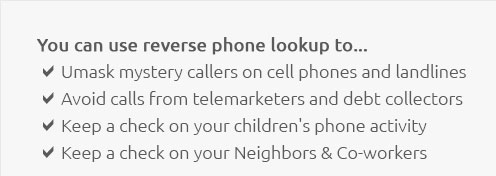
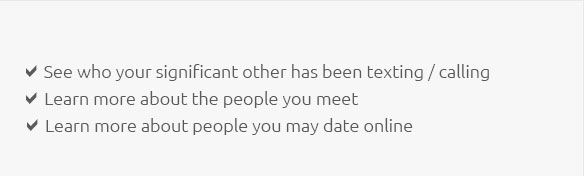
Who Is Phone Number Reverse Lookup?In an era where communication technology rapidly evolves and anonymity seems to be both a blessing and a curse, the concept of phone number reverse lookup emerges as a valuable tool for many, but what exactly does it entail and why is it important? At its core, phone number reverse lookup is a service that allows individuals to identify the name and other details of a person or entity based on their phone number; this service can be particularly useful in various scenarios, such as identifying unknown callers, verifying contacts, or even conducting background checks. To understand the intricacies of this service, it is essential to explore the mechanisms behind it and the reasons people might choose to use it. The process of reverse lookup typically involves accessing a database that aggregates publicly available information and sometimes proprietary data from telecommunications providers; users input a phone number into a reverse lookup tool, and the tool searches its database to retrieve associated information. There are several platforms available online that provide this service, ranging from free websites with limited data to comprehensive paid services that offer more detailed reports, including potential addresses, email addresses, and sometimes even social media profiles. Free services often rely on publicly accessible information and may not always provide accurate or up-to-date results, whereas paid services tend to have access to a broader range of data sources, which can enhance accuracy and detail. Now, why would one consider using a reverse phone lookup? There are a multitude of reasons, and they often depend on the specific needs and concerns of the user. For instance, many people resort to this service to identify unknown callers-a practical solution to the common problem of receiving calls from unfamiliar numbers, which could be anything from telemarketers to potential scams. By identifying the caller, individuals can make informed decisions about whether to return the call, ignore it, or block the number altogether. Moreover, reverse lookup can be an asset in personal safety, helping to verify the identity of a person claiming to be someone else or to uncover potential harassment cases. Beyond personal use, businesses also find reverse lookup beneficial, especially in customer service and sales environments. Companies can utilize this service to verify customer identities, prevent fraud, and enhance their customer relationship management by ensuring their records are accurate and up-to-date. Furthermore, by understanding the caller's identity beforehand, businesses can tailor their communication approach, making interactions more personalized and effective. Despite its advantages, it is important to consider the ethical and privacy implications associated with reverse phone lookup services. Privacy concerns arise primarily from the fact that these services can potentially expose personal information without the individual's consent; hence, it is crucial to use such services responsibly and within legal boundaries. Users should be mindful of privacy policies and terms of service when choosing a platform, ensuring that their data is handled with care and that they are not inadvertently infringing on others' privacy.
In conclusion, while the allure of phone number reverse lookup is undeniable due to its practical applications and the ease with which it can provide information, it is imperative to balance the benefits with a conscientious approach to privacy and ethics. As technology continues to advance, the ability to navigate these tools responsibly will become increasingly vital, ensuring that we harness their potential without compromising our values. https://www.globenewswire.com/news-release/2021/04/17/2211903/0/en/The-Best-Reverse-Phone-Lookup-Sites-How-To-Search-and-Identify-a-Suspicious-Caller-By-Number-Online.html
The Best Reverse Phone Lookup Sites: How To Search and Identify a Suspicious Caller By Number Online - 1. Instant Checkmate - Largest reverse ... https://www.peoplefinders.com/reverse-phone
The PeopleFinders reverse phone number lookup gives you all the info you need on an unknown caller. Run a phone search in just a few clicks. https://oregon.phonenumbers.org/
Reverse phone lookup is legal in Oregon as long as you do not use it for illegal acts. This means that Oregon law enforcement will apprehend and prosecute ...
|
|---|

